

Myllargytten – ‘Gangar’ (free version by PSS 8 8 16)
Myllargytten – ‘Bruremarsch'(free version by PSS 8 8 16)
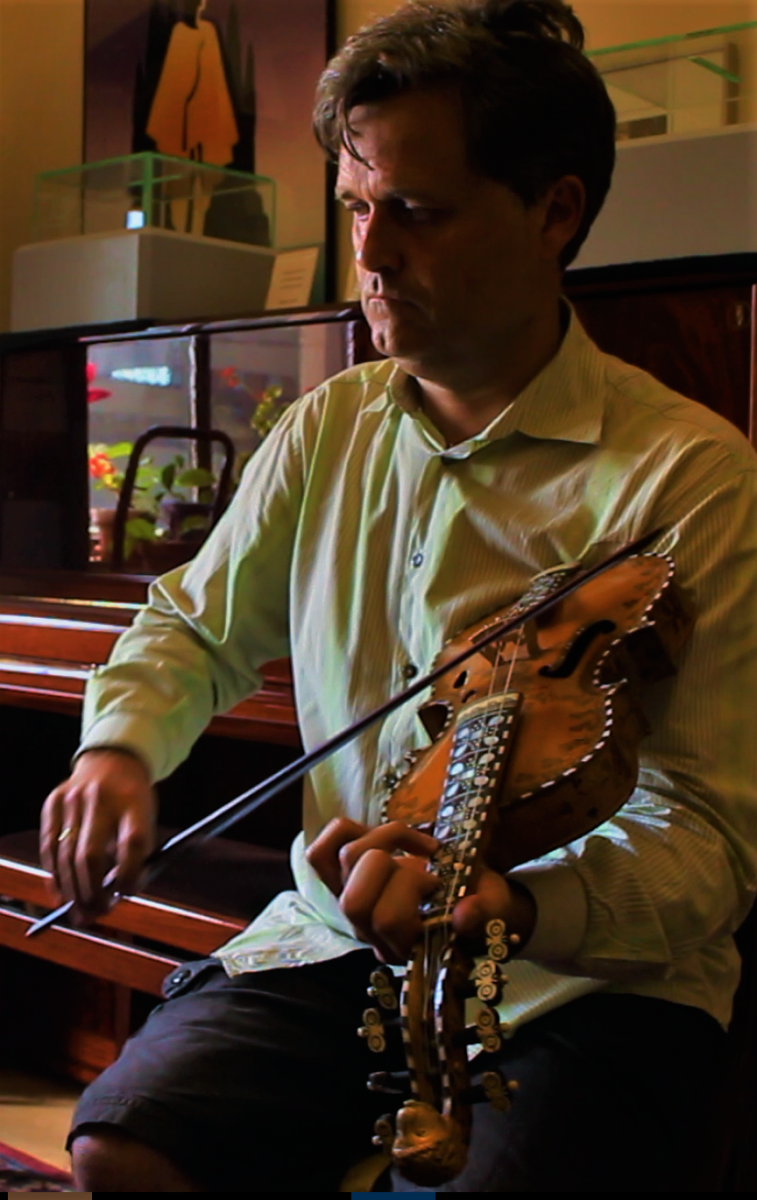
It had been Bull who had drawn mass public attention to the ‘miller’s son’ (‘Myllarguten’), whose actual name was Torgeir Augundsson (1799(?)-1872), who he met for the first time sometime between 1829 and 1831.
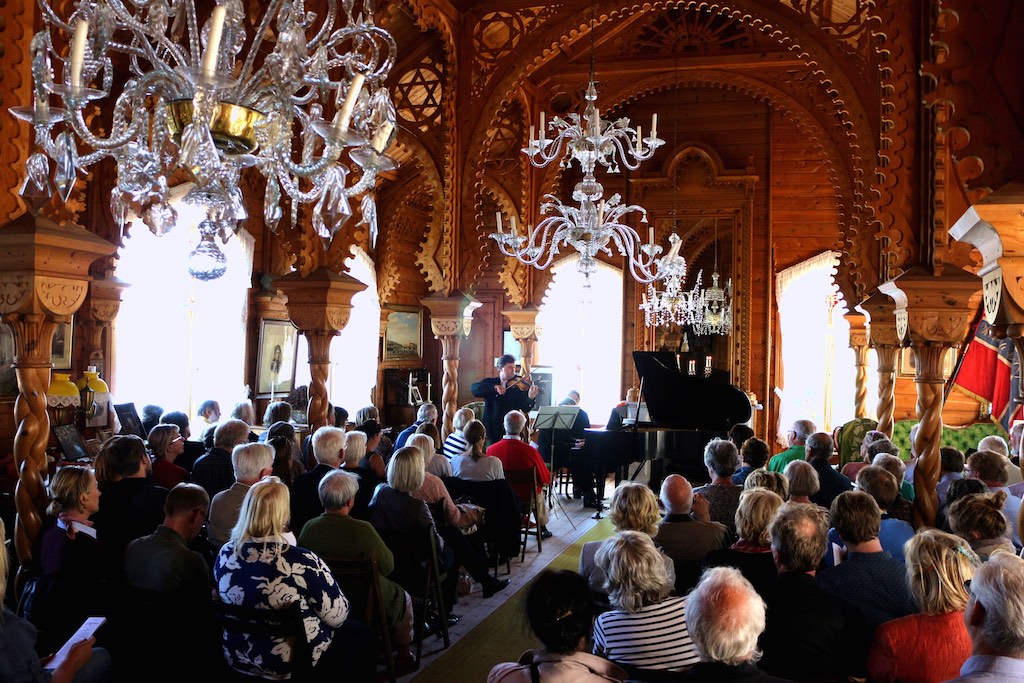
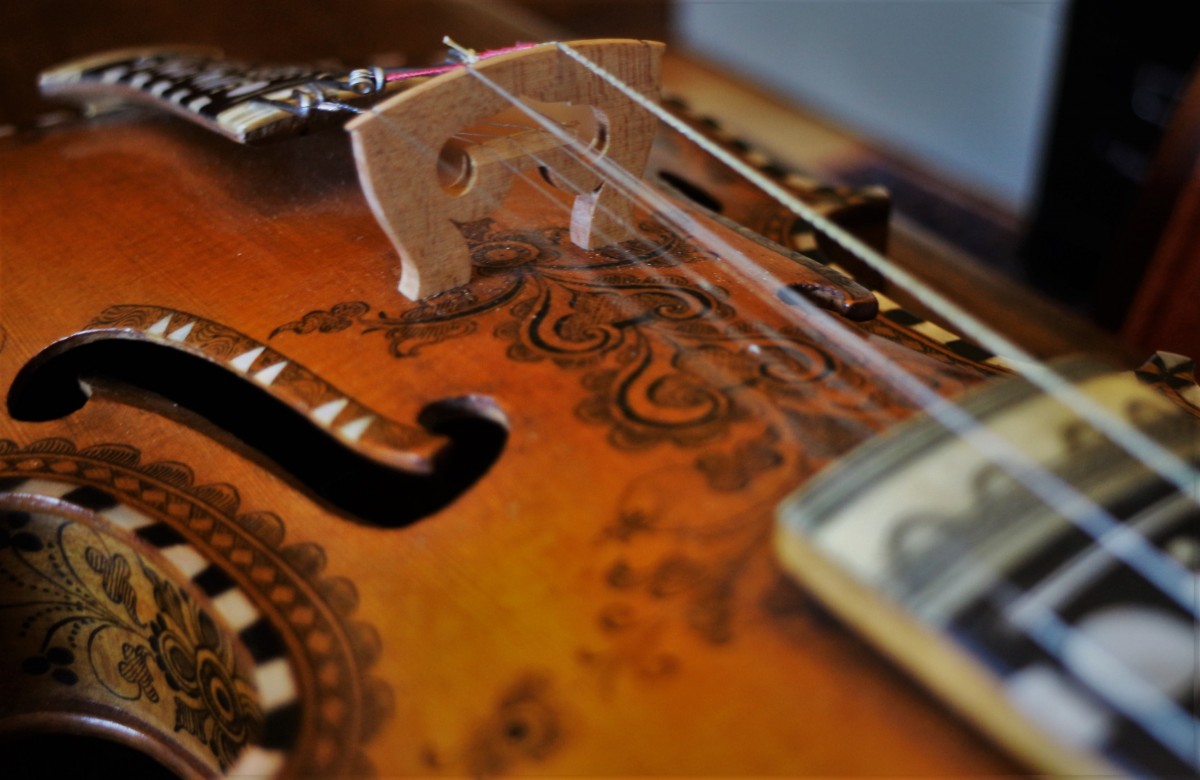
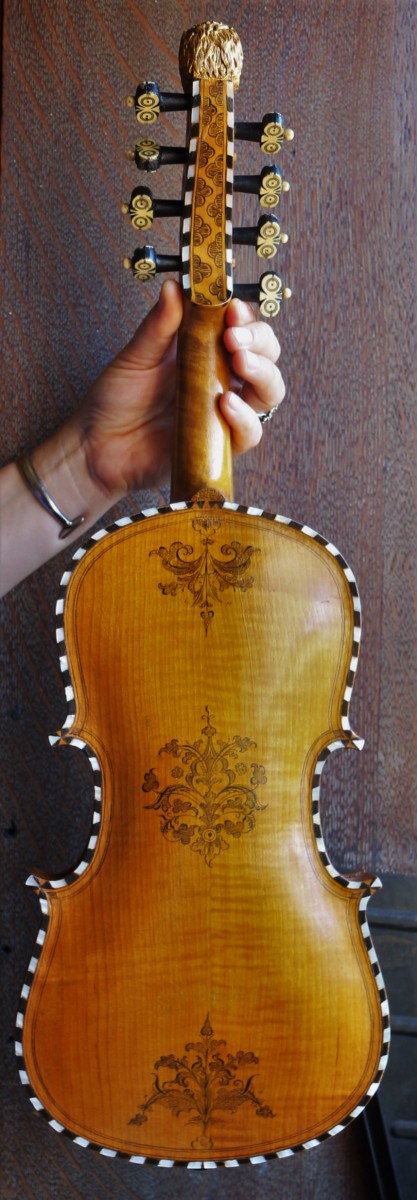
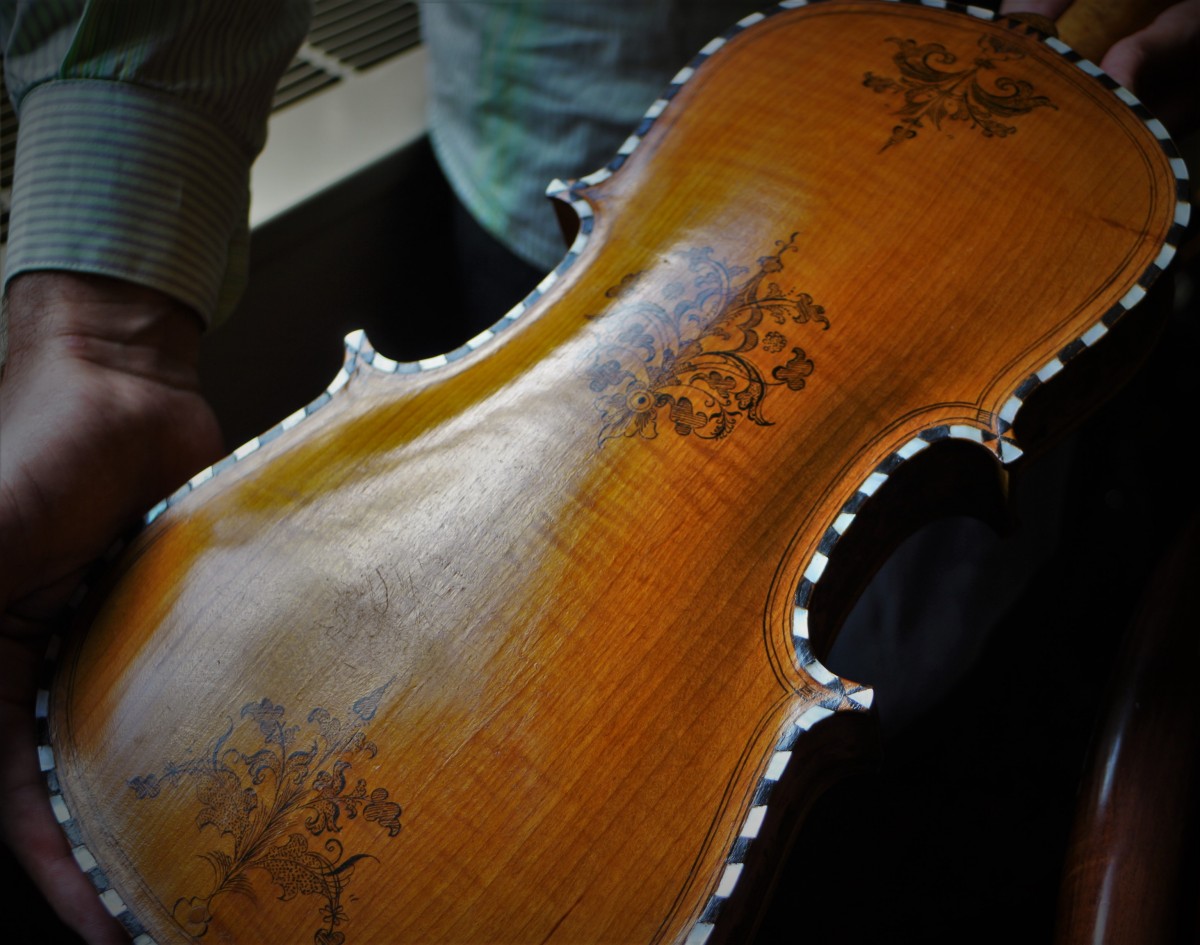
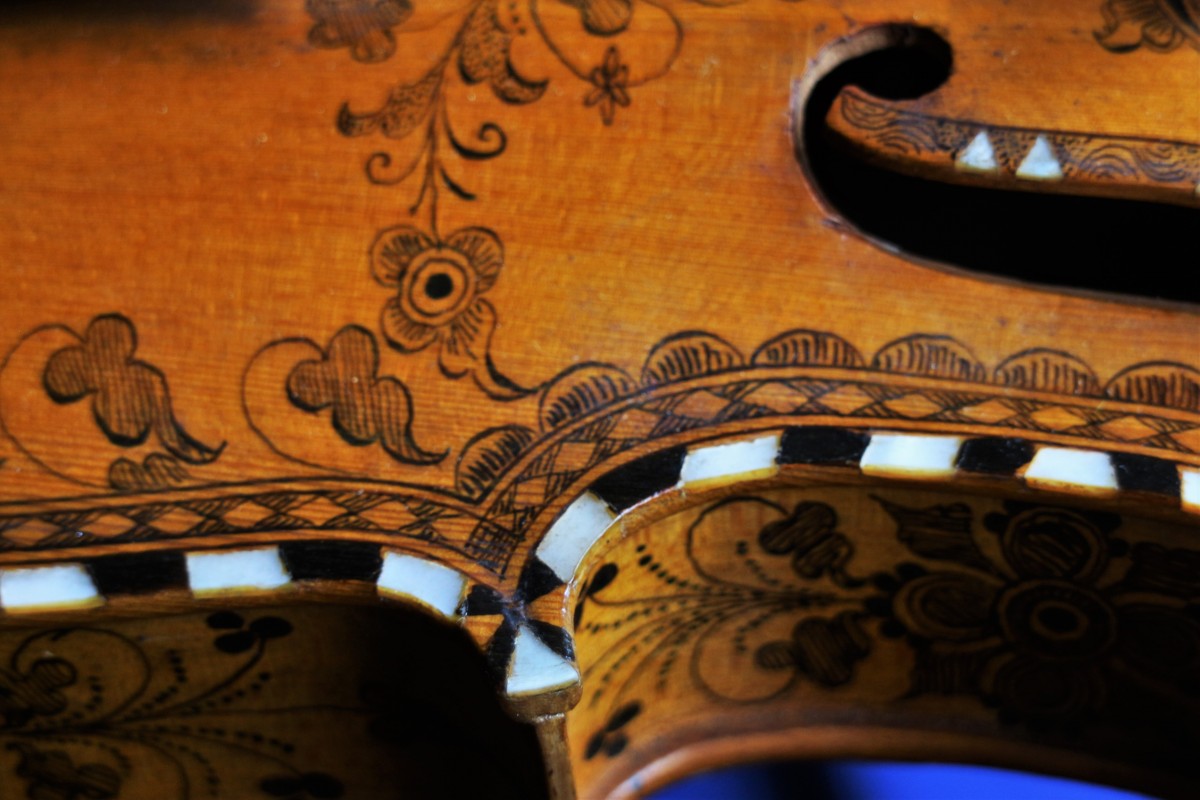
In 1860, Augundsson travelled to present-day Oslo, to give a concert at the Losjen Hall. With him, he brought a Hardanger violin as a gift for Bull, made by the greatest maker of these instruments, Erik Johnssen(Jonsson) Hellland (1816-1868) Helland had redesigned the traditional instrument, introducing innovations in structure, decorations and design. These innovations were made possible by Bull, who provided Helland with grant to study with Gudbrand Enger (1822-1886) in Copenhagen; Enger was a pupil of the greatest of French makers Jean-Baptiste Vuillaume (1798-1875), with whom Bull himself made a violin in 1848. It seems likely, that the violin in the Schubert Club Museum was the gift to Bull.[i]
Halvorsen to Edvard Grieg: “Today I saved two folk dances from oblivion. They aren’t so easy to transcribe. Small jumps and trills like a small trout in a torrent”.[ii]
I was given the first edition of Johann Halvorsen’s (1864-1935) faithful transcriptions of Slåtter when I was a teenager, and they have been on my music desk ever since.
[i] Ole Bull og Folkemusikken, Asheim/Stubseif, Vigmostad & Bjørke AS, Bergen, 2010 Pp.70-2
[ii] Traditional. As performed by Knud Dahle and transcribed by Johan Halvorsen.
Published by Peters Verlag as ‘Norwegische Bauerntaenze'(Slaatter) -‘wie diesselben auf der norwegischen Baernfiedel gespielt werden’